Photography as an extension of the brand
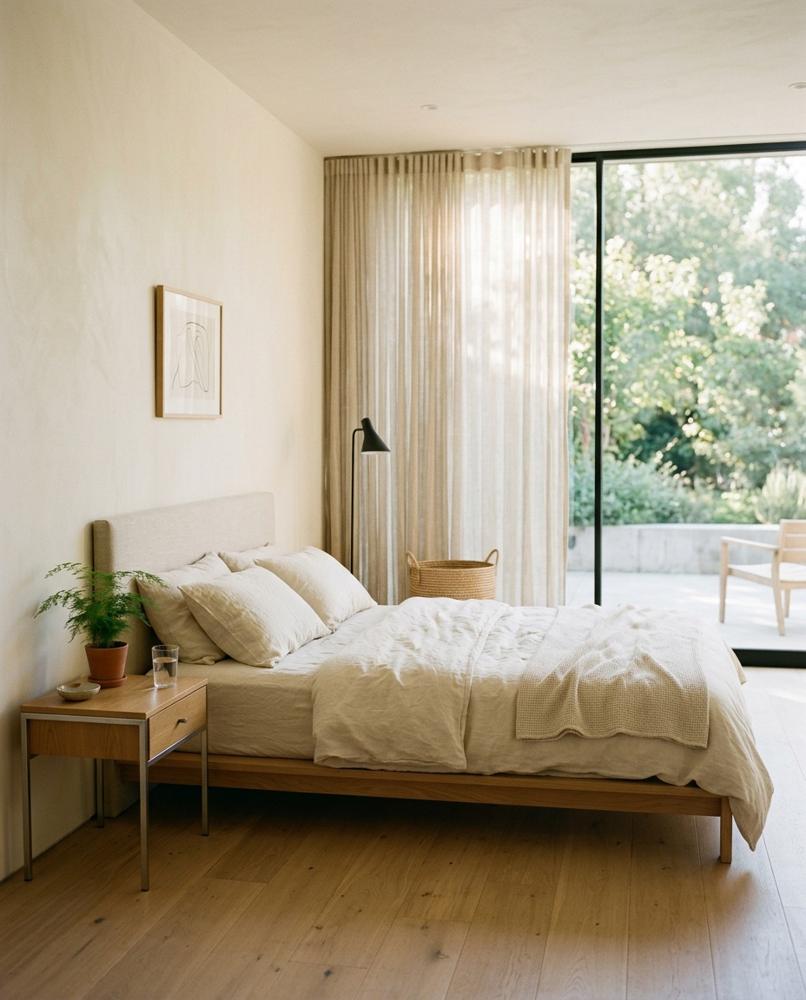
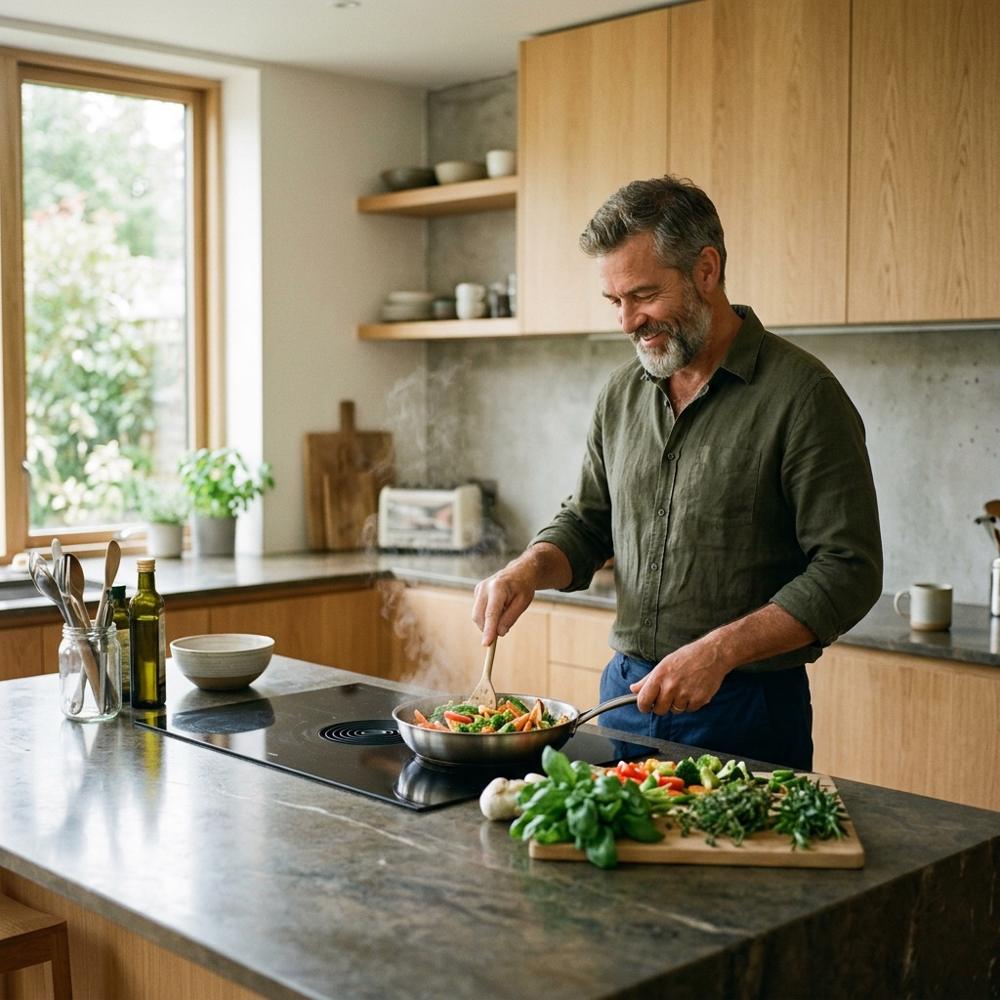
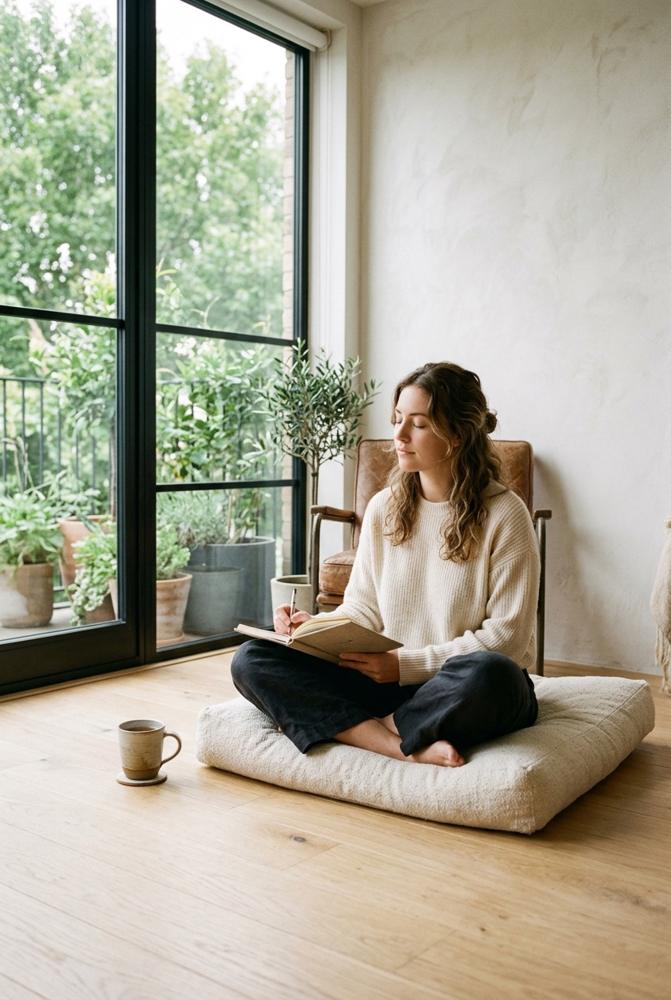
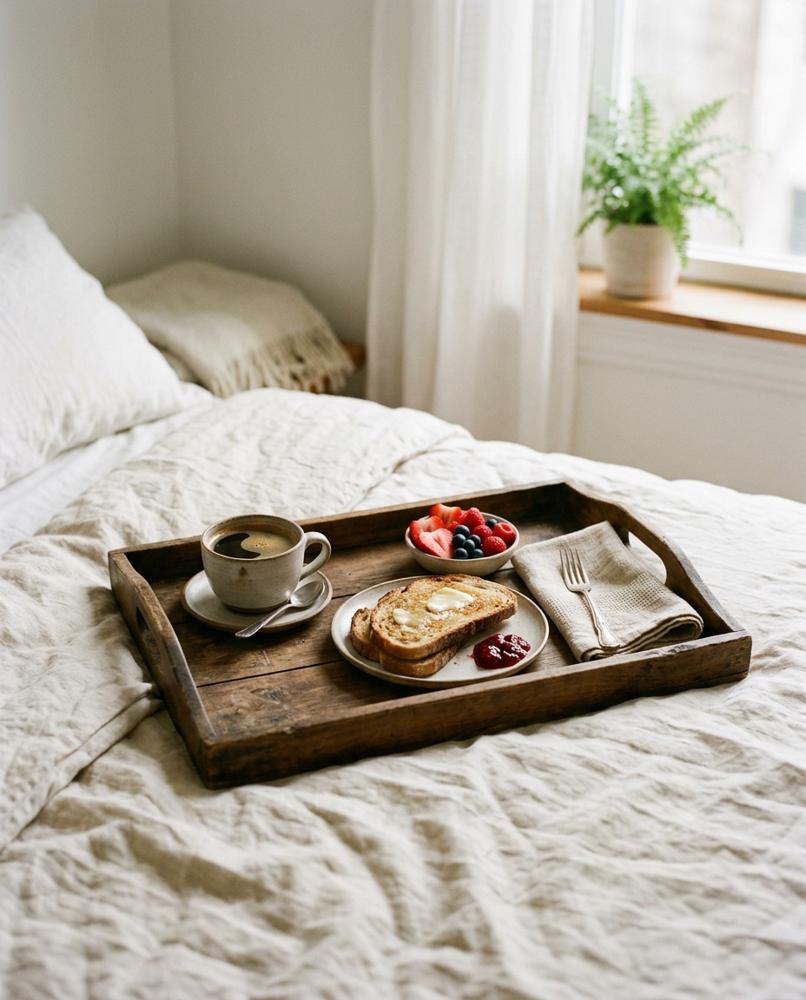
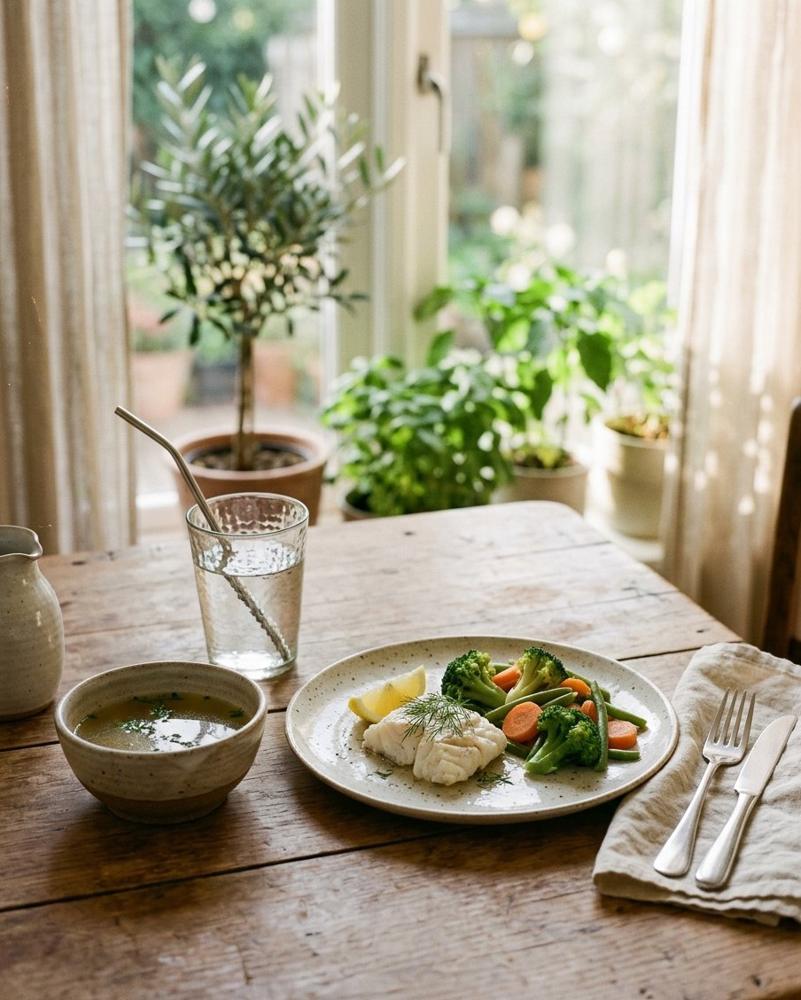
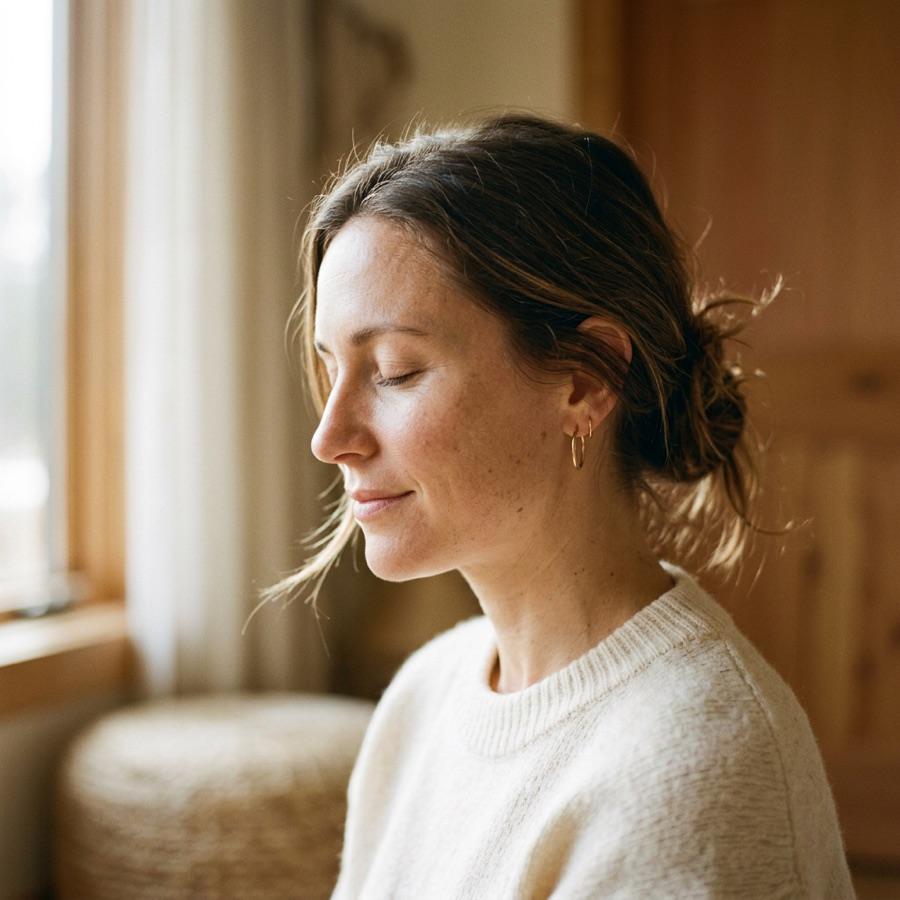
Interzo photography shows what recovery away from home can feel like when it goes well: a calm room, someone close by, a good meal, time to rest. It is the visual promise of the platform, and it has to feel lived, not staged.
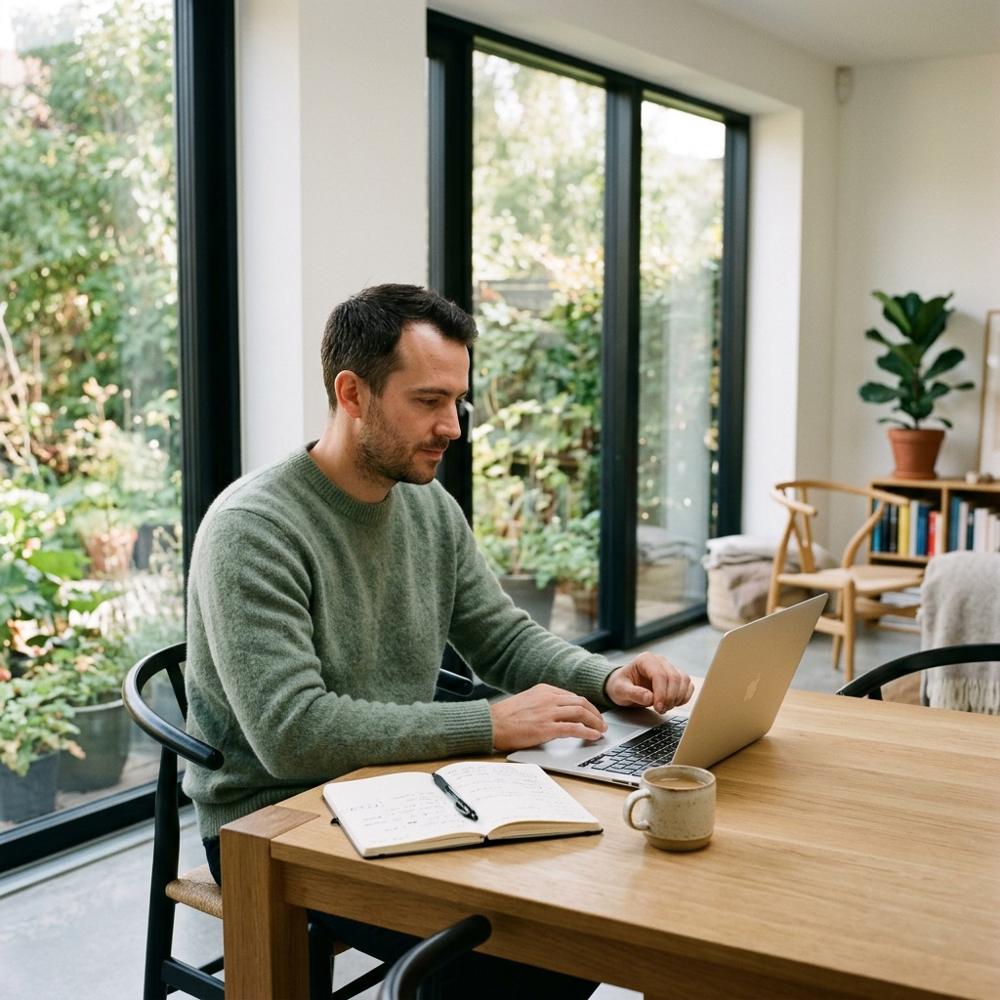
Every image belongs to the same quiet world as the rest of the system. Warm light, natural linen, oak and plants; cream, sand and brown tones that sit naturally next to espresso type and paper surfaces. The people in the pictures are resting, talking, cooking, being looked after. Nothing is clinical and nothing is performed for the camera.
Principles
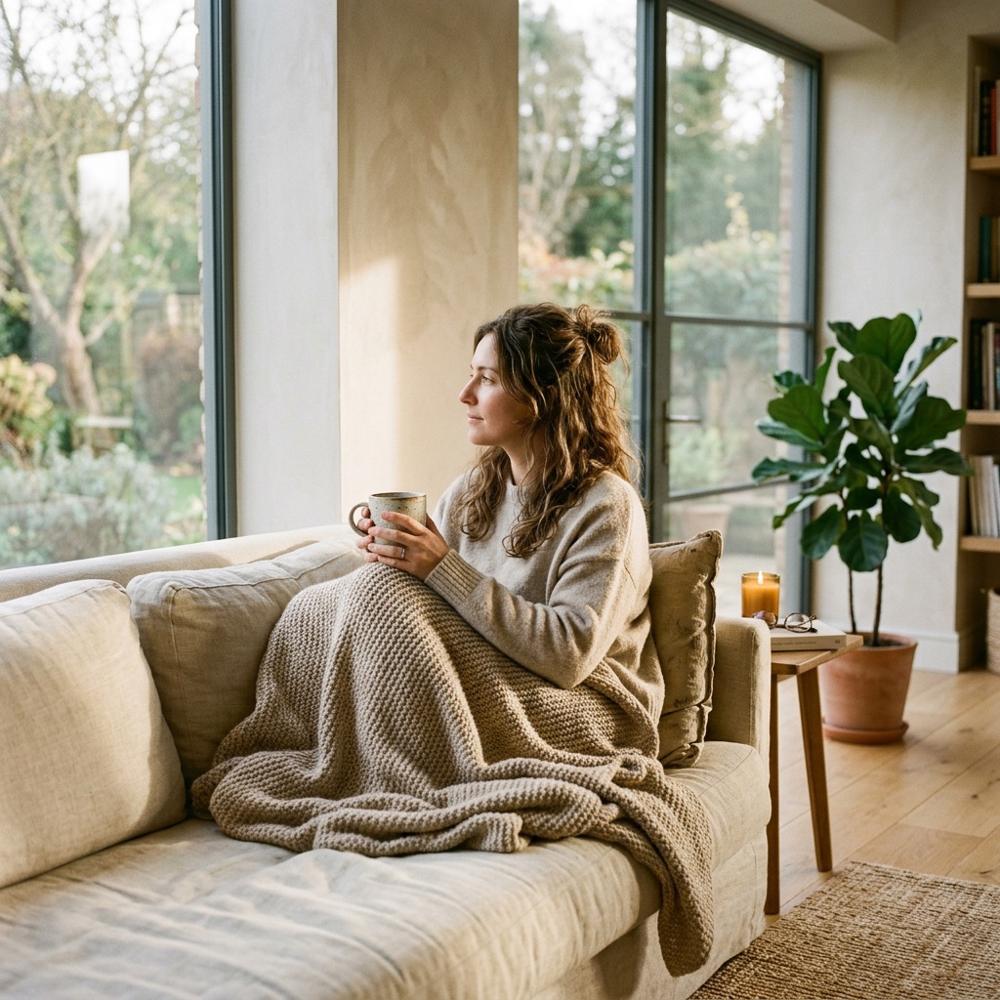
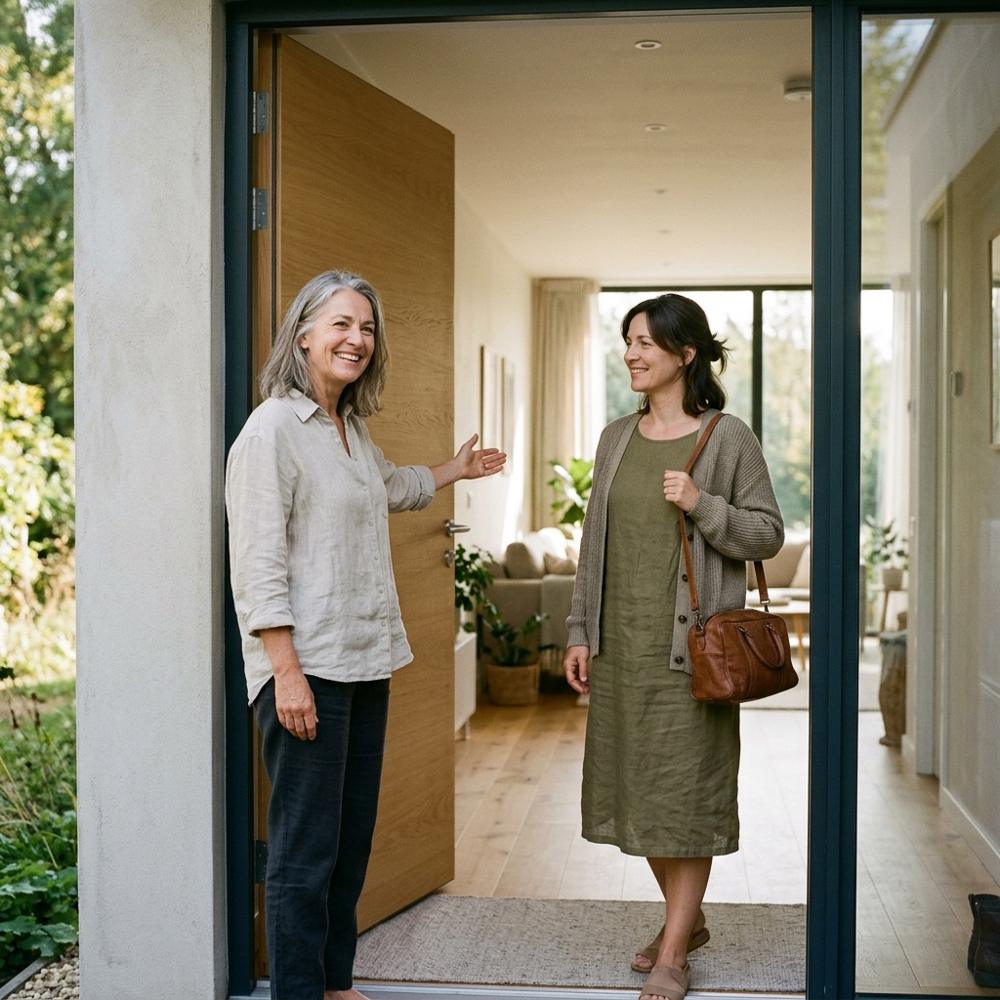
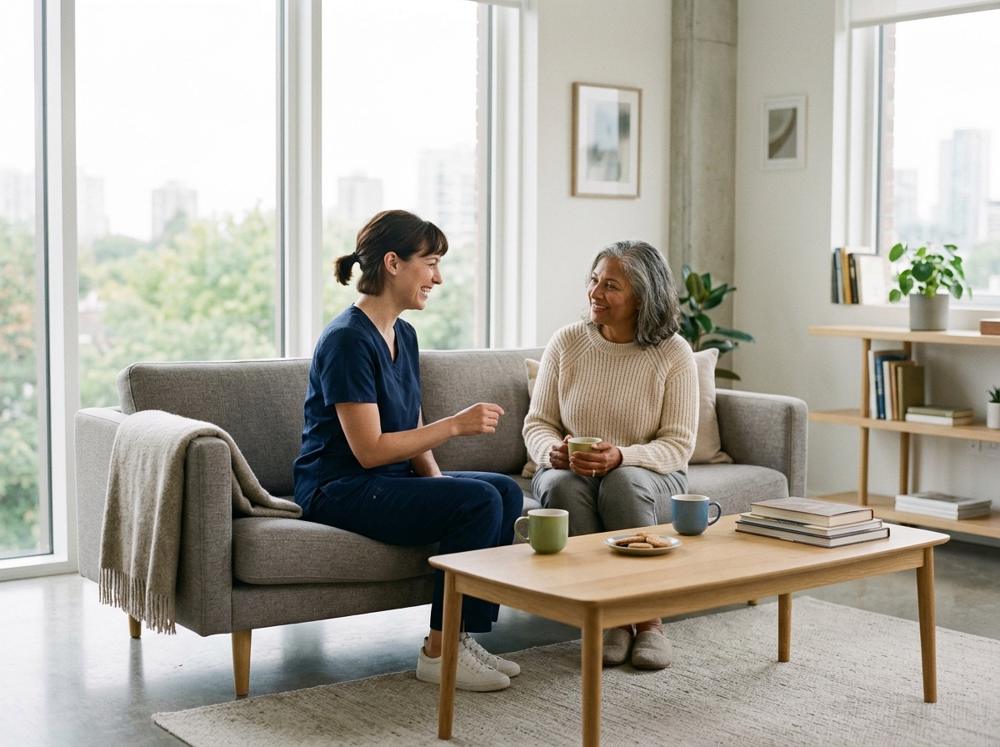
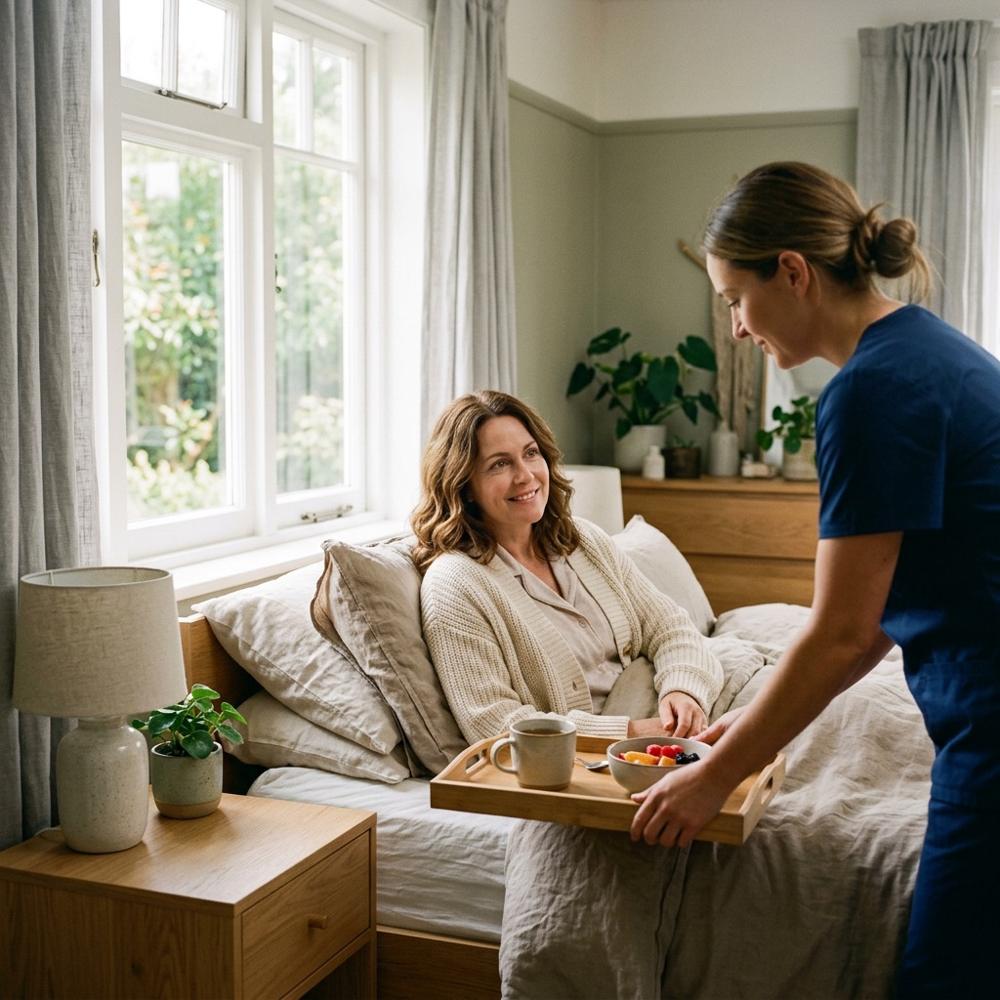
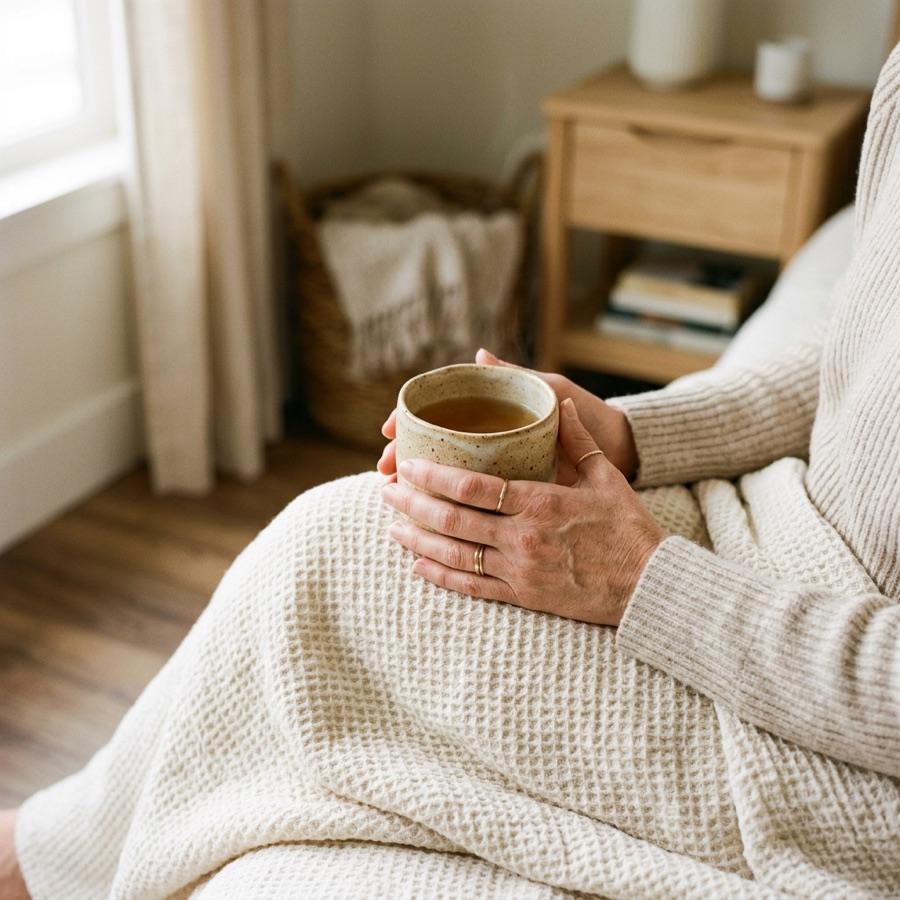
Candid, not posed. People are caught in the middle of something: reading, sipping tea, talking with a nurse. They rarely look at the camera. The feeling is documentary, never catalog.
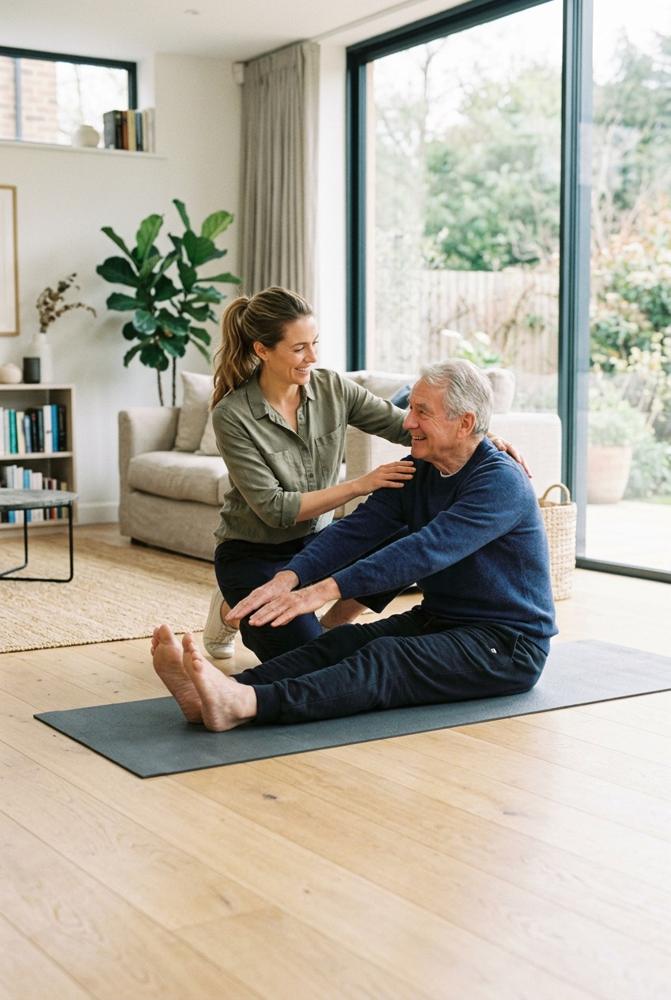
Home, not hospital. Recovery happens on a sofa, in a bed with linen sheets, at a kitchen table. Medical presence is human and gentle: a nurse in casual scrubs sitting down for a chat, a physiotherapist on a living-room mat. No wards, no equipment in the foreground, no visible wounds or bandages.
Warm and quiet. Soft window light, late-afternoon or early-morning sun, soft shadows. A restrained palette and shallow depth of field keep each picture calm enough to carry text.
Film, not digital gloss. A 35 mm film look with subtle grain and natural skin texture. No beauty retouching, no saturated color, no HDR.
Modest and dignified. Many patients travel for cosmetic or surgical procedures. Body-related images are close, tasteful crops in soft light, with the face out of frame or turned away. They suggest care and wellbeing, never a result or a before-and-after.
Subjects and themes
The image library is organized around five themes. Together they tell the whole story of a stay.
Rest and recovery. A person recovering at home: wrapped in a knit cardigan on the sofa, propped up in bed, reading by the window, eyes closed in the sun.
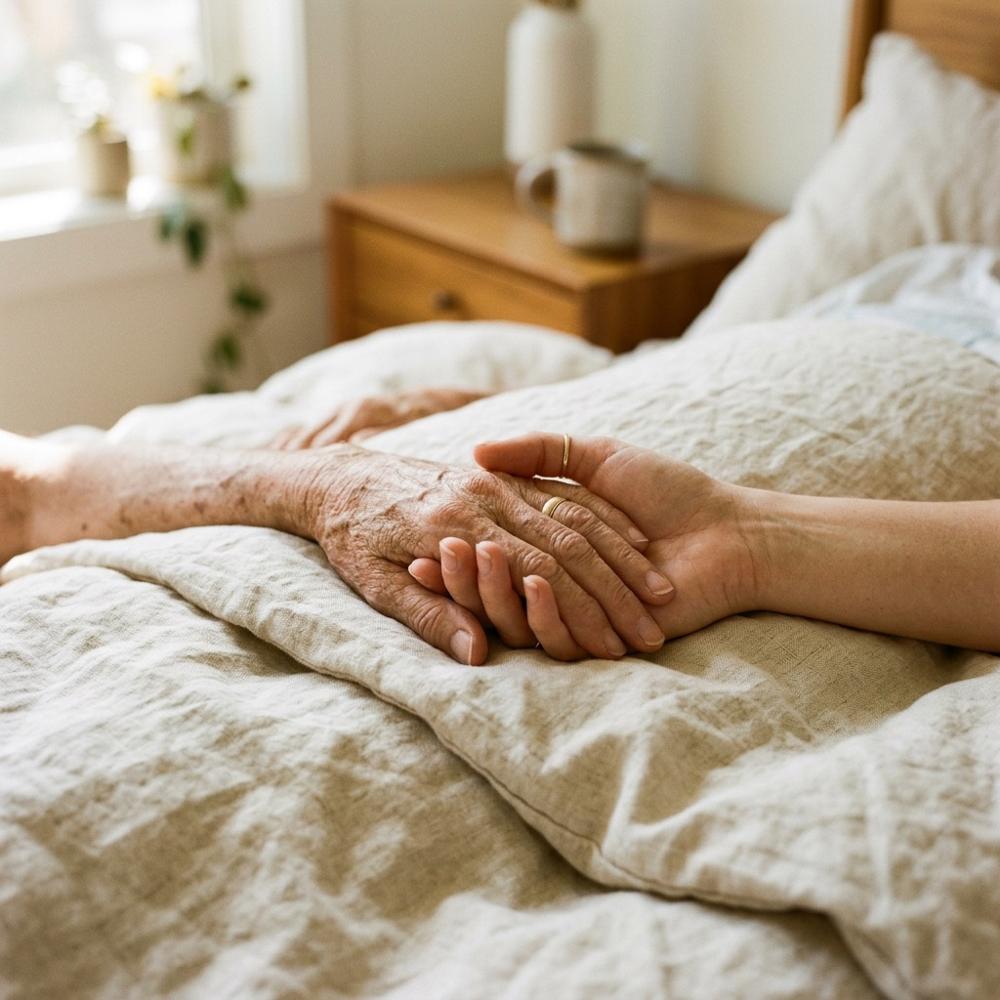
Care and company. The people around the patient: a home-care nurse, a physiotherapist, a host at the door, a companion holding a hand. Warm interactions between two people.
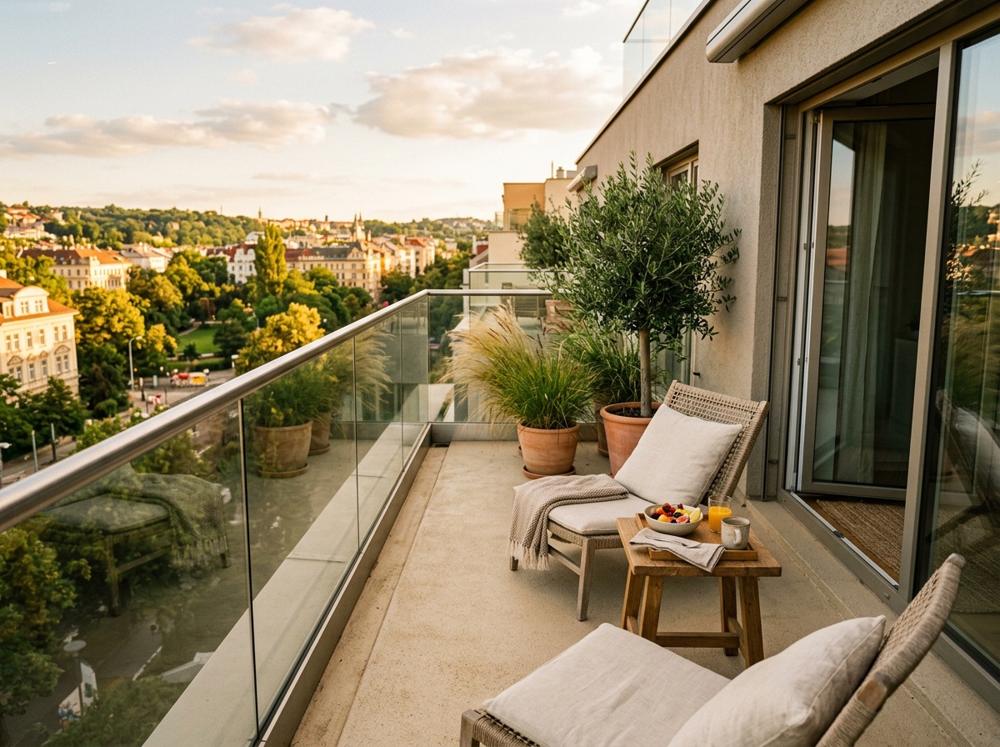
The home. Interiors without people: a bedroom prepared for a guest, a balcony with breakfast, a living room in morning light. Calm, uncluttered, inviting, never a hotel.
Daily rituals. Meals, tea, breakfast trays, cooking. The small comforts that make a stay feel like home, often shown in close-up.
Wellbeing close-ups. Hands, shoulders, a smile, a profile in window light. Used to represent procedures and services without showing a medical result.
Composition and space for text
Images on the website often carry a headline, a label or a button. Composition plans for it from the start.
- Leave a calm area. The lower third, or one side of the frame, stays quiet: a plain wall, a floor, soft out-of-focus background. Text sits there, never across a face.
- Subject off-center. People sit to one side of the frame, which gives the picture depth and leaves room for copy.
- Shallow focus. The subject is sharp; the background softens. This separates the person from the room and makes overlaid text easier to read.
- Choose the format first. Square for cards and collages, vertical for portrait cards and heroes, landscape for wide bands and article covers.
Color and light
Light. Natural window light or warm golden sunlight, coming from one side. Morning and late afternoon. Never flash, never overhead fluorescent light, never night scenes.
Palette. Cream, sand, oak and brown, with soft greens from plants. Clothing stays in the same family: cream knits, linen, sand, rust, sage. Strong saturated colors, neon and cold blue tints stay out.
Finish. Subtle film grain and natural skin tones. When an image sits under text in an espresso band, it can be darkened with an espresso overlay, never with a gray or black one.
Property photos and real people
Two kinds of image are never generated or staged.
Listings use real photos of the real property. Rooms, bathrooms, entrances and views shown on a stay must be photographs of that home, provided by its verified host. Patients choose where to recover from these pictures, often before a surgery and from another country. An AI image or a stock photo of a room that does not exist would mislead them about the place they will live in. AI images are for editorial and marketing use only.
Testimonials use the real person. A quote attributed to a patient is illustrated with that patient’s own photo or video, shared with their consent, or with no portrait at all. An AI-generated face is never presented as a real patient, host or provider.
AI Generation How the editorial images are produced The workflow, the prompt structure and the review checklist used to generate images in this style. Read the guideWhat to avoid
A patient in a hospital gown on a ward bed, IV stand and monitors in the foreground.
A close-up of a fresh incision, stitches or a swollen face after surgery.
A group of smiling models in matching white T-shirts, posing in front of a white studio wall.
A luxury hotel lobby with a marble reception desk and a uniformed concierge.
A night scene lit by cold blue light and neon, with heavy contrast and saturated color.
A sharp, wide photo of a stranger in revealing clothing, face to camera, framed as a result.